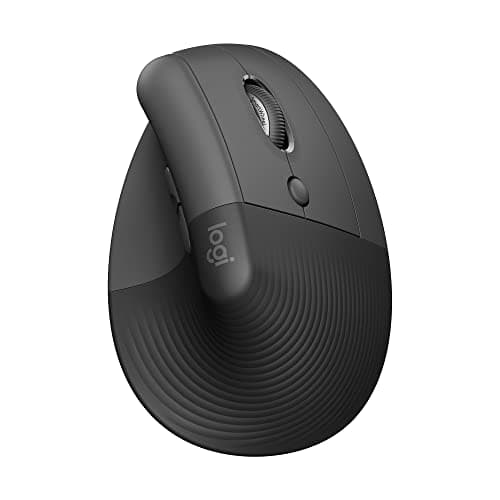
The safest gift on this page is the Logitech Lift vertical mouse. It fits every desk, works with any computer, needs no measuring, and it fixes a real thing — the forearm rotation that makes an ordinary mouse ache after a few hours. If the person you are buying for already stands at a desk, the Ergodriven Topo mat is the better gift: it is the one mat designed for a desk rather than a kitchen, and the one with a published material disclosure.
What $150 buys that $50 does not
Under fifty dollars you are buying a try-it version of something. Under a hundred and fifty you are buying the version that gets used every day for years: rechargeable instead of battery-hungry, sculpted instead of flat, a curved keyboard that needs no relearning instead of a split that needs two weeks. Every product here is one we already rank on its own category page — the ergonomic mice, anti-fatigue mats, ergonomic keyboards, walking pads and seat cushions rankings. We did not source anything new for a gift list.
The price band describes where each pick sat when we wrote this. The number on each button is live and dated; if something has moved, the button knows before we do.
The picks, by who they are for
- Anyone who uses a mouse all day: the Logitech Lift.The MX Vertical's smaller sibling — the same handshake angle in a body that suits small and medium hands, which covers more recipients than the full-size version. If you know they have large hands, buy the MX Vertical instead; it sits in the same band. Check which hand they mouse with — both are right-handed.
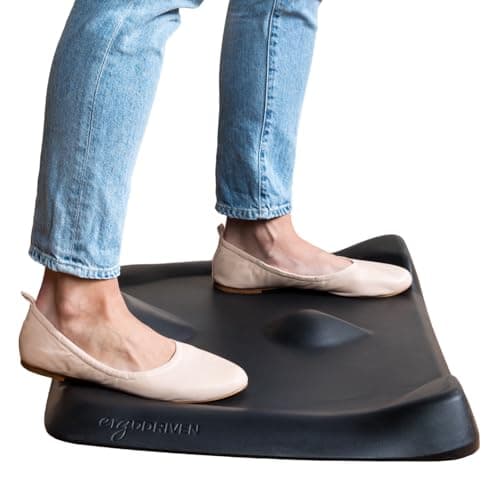
- Someone with a standing desk: the Ergodriven Topo. Most anti-fatigue mats are flat kitchen pads. The Topo is sculpted so the feet keep moving, which is the point of standing in the first place, and it is polyurethane rather than PVC — the lower-concern foam class, and Ergodriven states the line is made without PVC or PFAS. That is a manufacturer disclosure rather than a third-party certificate, and we say so on the non-toxic mats page, but it is more than most mat brands publish. If they have a large desk, the full-size Topo is the same idea over a bigger footprint.
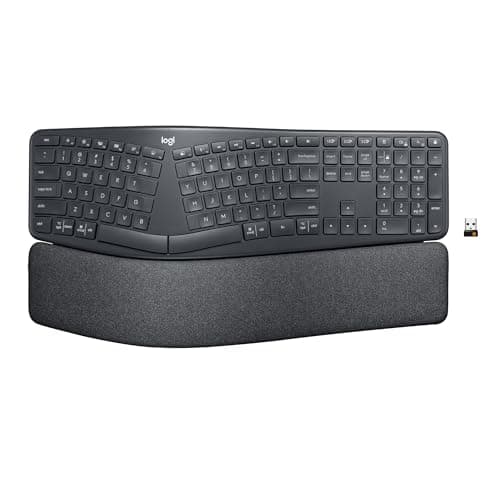
- Someone who types all day: the Logitech Ergo K860. A curved split layout with a real wrist rest, and — the reason it is giftable — no learning cliff. A true split keyboard like the Kinesis does more for the wrists, but it costs the recipient two weeks of typing speed and only suits someone who asked for it. The K860 is the one you can give unprompted.
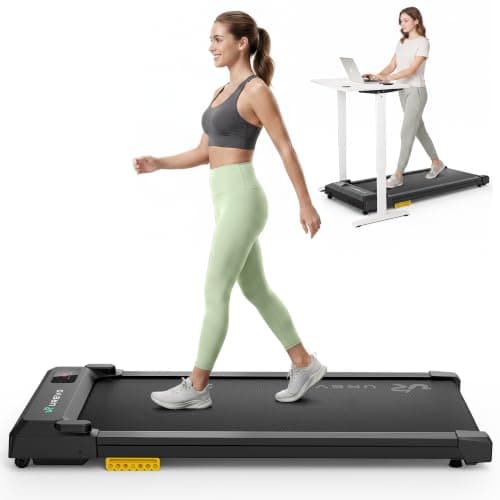
- Someone who never moves during the workday: the UREVO walking pad. The sensible mid-price pad — shock absorption and a quiet motor at a small fraction of a commercial treadmill. This is the highest-impact gift on the page and the one with the most to check first: it needs a standing desk (or a converter) and roughly a person-length of floor beside it, and it should go in a wall outlet, not a desk power strip. Read our walking-pad guide before you commit.
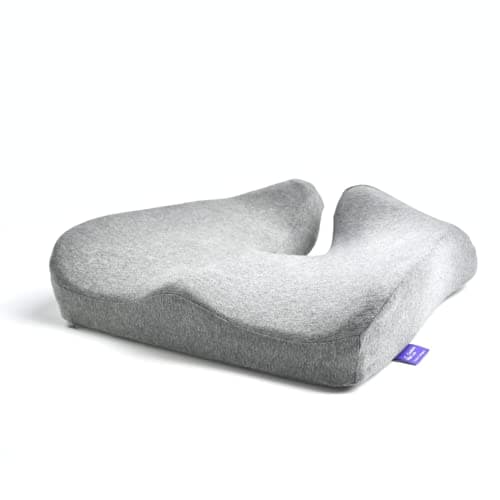
- Someone who sits for eight hours on a hard chair: the Cushion Lab. A dense, contoured foam that is still supporting at hour six, where cheap cushions have bottomed out. It supports; it does not sink. Polyurethane with no published certificate, so give it a few days out of the wrap.
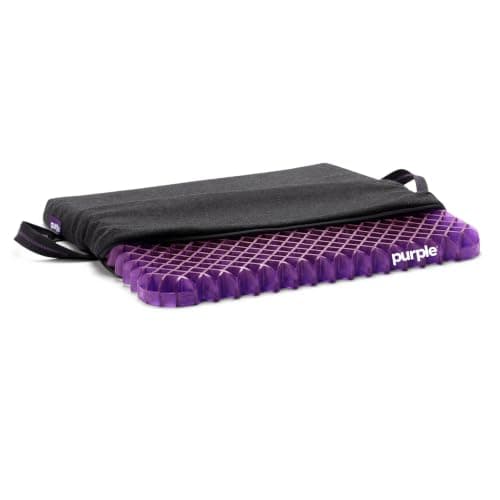
- Someone who runs hot, or has flattened two cushions already: the Purple Simply Seat. Not foam at all — an elastomer grid that collapses only where you press, so it never gets hot and never packs down. It feels firm and springy, the opposite of the memory-foam cradle, which is exactly why it is the right cushion for someone who has rejected memory foam.
The two gifts we deliberately left off
A monitor arm. Our monitor arm ranking has excellent options in this band, and an arm is the single most transformative desk upgrade — but it needs two facts you probably do not have: the thickness of their desk for the clamp, and whether their monitor has a VESA mount pattern on the back. If you can confirm both, buy the HUANUO from our work-from-home guide. If you cannot, do not gamble.
A cheap office chair. Several sit under $150. None of them fit a stranger. Chair fit depends on body dimensions and preference, and a chair is the single most returned ergonomic purchase. If the budget can reach a real one, our no-budget guide explains how to give a chair without guessing.
The one thing to check before buying each pick
Lift: hand size (small-to-medium) and mousing hand (right). Topo: that they stand at a desk; a mat under a chair is a trip hazard. K860: that they type on a full-size layout — it is a wide keyboard with a number pad. UREVO: a standing desk and floor space, and a wall outlet. Cushion Lab: that they want support rather than softness. Purple: that they have found foam too hot or too soft — this is the answer to that specific complaint.
Giving the whole setup instead
The best version of this gift is a mouse or a mat plus half an hour helping them set the desk and monitor to the right heights. Our height calculator and posture guide take ten minutes together, and they will notice the difference more than anything you wrapped.
How to choose an ergonomic gift under $150
Buy the daily-use version, not two cheap ones
One rechargeable mouse that lasts five years beats two battery mice that get replaced. The step up in this band is durability and design, not extra objects.
Match the mat to a standing desk, the cushion to a chair
A mat for a sitter and a cushion for a stander are both wrong. Ask, or look at their desk.
Treat a walking pad as a floor-space question first
The pad is easy; the room is not. Confirm the desk is height-adjustable and there is a clear person-length of floor before you buy.
Give foam early, give metal any time
Memory foam should sit unwrapped for a few days before daily use. Aluminum and elastomer grids have nothing to air out.
Trust the live price, not the tier
Every price here is pulled from Amazon and dated. The tier is a description, not a promise.
How we picked
We compiled specs from manufacturer manuals, verified every certification claim in the certifying body's own registry (UL SPOT for GREENGUARD, BIFMA, CARB), did the cost-to-own math, and read the aggregated owner reviews, then scored each product against a published rubric. The scores are judgments from documented research — they are not measurements we took, because we do not have a lab and we are not going to pretend we do.