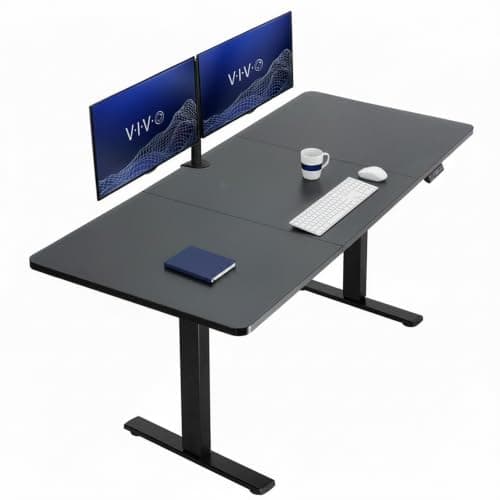
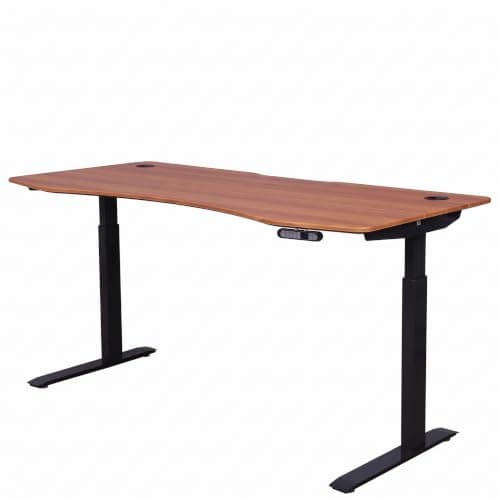
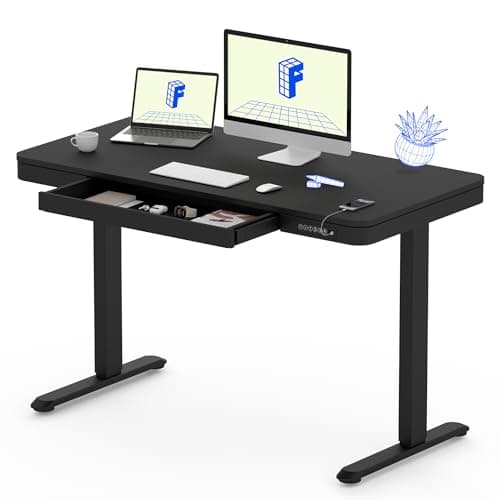
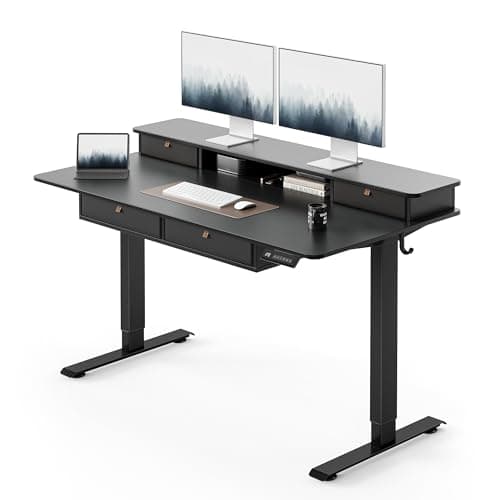
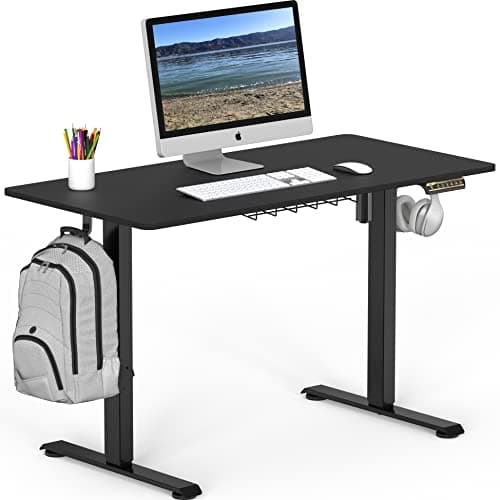
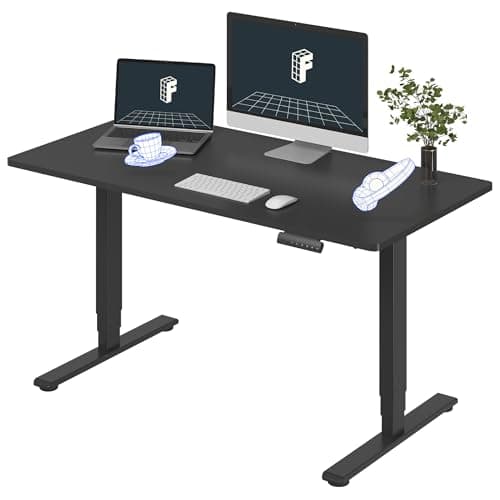
Buy the FlexiSpot E6. Dual motors and 3-stage legs give it the steadiness that a standing desk lives or dies on, and it costs meaningfully less than the premium brands it feels like. For most people, this is where the search should end. The desks below it earn their place for one specific reason each -- a wider top, a curved edge, a built-in drawer -- and we say plainly which reason applies to you.
How we rank these, and what we don't do
We are enthusiasts, not a lab. We do not measure wobble on a rig or test a top in a chamber, and we are not going to pretend otherwise. What we do is read the manufacturer's own spec sheet, check any certification claim against the registry that issued it, and do the boring cost-to-own math that a spec table hides. When a desk publishes no emissions certificate, we write that it publishes none rather than implying it is clean. If certificates are the whole point for you, our certification matrix lays out which desks carry what, side by side.
Dual motor versus single motor is the real decision
Nearly every complaint about a standing desk is the same complaint: it wobbles at full height. A dual-motor, 3-stage frame is the fix. Two motors keep the legs rising evenly, and the extra leg segment shortens the unsupported span, so the top flexes less when you lean on it or type hard.
- Dual motor (E6, VIVO, ApexDesk): steadier at standing height, faster travel, and usually memory presets. This is the tier most people should buy into.
- Single motor (SHW): cheaper and does the one job, but it flexes more up high and moves slower. Fine for a shorter person or a light setup; a stretch for anyone tall.
The top is where the materials question lives
Almost all of these desks ship a laminate over engineered wood, and none of the ones on this page publish a low-emission certificate for that top. That is not a scandal -- it is the norm at this price -- but it is worth knowing, because the desktop is the largest piece of composite wood most people put right under their face. If that matters to you, read how formaldehyde gets into a desk, then jump to our non-toxic standing desk picks, which rank on the materials story specifically rather than on price and stability.
Match the size and shape to the room, not the wish list
A 71-inch VIVO is a lot of desk for a dual-monitor setup and far too much for a box room. The 48-inch Comhar fits spaces a big desk would swallow, the FEZIBO trades width for a deeper 30-inch top with drawers under it, and the ApexDesk's curved cut-out lets you sit closer to a 60-inch surface. If the FEZIBO is the one you are weighing, our FEZIBO standing desk review covers which of its sizes to take and what the brand does and does not publish. Buy the footprint that fits the wall you have, then keep a wide top against that wall -- width amplifies any wobble.
A standing desk only pays off if you actually move
The health benefit is not standing; it is alternating. A desk you never adjust is just an expensive fixed desk, which is exactly why memory presets matter more than they look. Before you spend, it is worth reading standing versus sitting to see what the habit actually buys you -- and if a bad back is the reason you are shopping, start with the picks for back pain instead.
How to buy a standing desk
Start with the frame, not the finish
The frame is the part you cannot upgrade later, so spend there first. A dual-motor, 3-stage frame is the single biggest driver of whether you will trust the desk at standing height. A single-motor frame saves money up front and gives it back in wobble; only choose one if you are short, your setup is light, or you spend most of the day seated.
Laminate, bamboo or a top you swap in
A laminate-over-engineered-wood top is cheap, hard-wearing and uncertified on emissions unless the maker says otherwise. A solid bamboo top is a naturally lower-formaldehyde surface because it is a grass, not adhesive-bound MDF. If materials are your priority, buy a frame that lets you bolt on a better or certified top later rather than an all-in-one unit with a fixed surface.
Cost to own, not just the sticker
The frame is the part that has to last a decade of daily travel, so read the warranty on the motor and legs, not the top. A budget desk with a two-year frame warranty can cost more over its life than a dearer desk with a longer one. Prices move constantly, which is why every price on this site renders live rather than being written into the text.
Can't replace your desk? Consider a converter
Renters and anyone stuck with a fixed desk have a real alternative: a riser like the FlexiSpot Standing Desk Converter (36″) sits on the desk you already own and lifts your keyboard and monitor together. It is the compromise, not the ideal -- less steady and it eats desk depth -- but as a steel-and-laminate riser it also sidesteps most of the composite-wood question a full desktop raises.