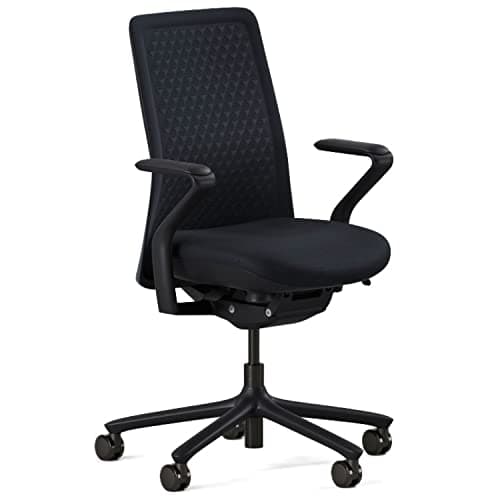
For a cheaper Embody alternative, buy the Branch Verve. It is the closest thing at a fraction of the price to what the Embody is actually for: a high-density foam cushion under a 3D knit back, with a height-adjustable lumbar rest and seat depth — the two adjustments that change how a back is supported rather than how it feels — plus a 275 lb rating, a seven-year warranty and a GREENGUARD Gold line on Branch's own product page, which is one more emissions claim than Steelcase prints for the Leap. If you want the mechanism rather than the price, buy the Steelcase Leap: LiveBack changes the shape of the backrest as you move instead of pivoting at one hinge, which is the nearest published equivalent to the Embody's Backfit adjustment, and it holds the same 400 lb and twelve-year position as a chair costing twice as much. The budget pick is the SIHOO Doro C300 Pro, the cheapest chair here whose listing names seat-depth adjustment. Prices are read from the Amazon Creators API and carry the date they were read.
Start with what you are replacing, because most “Embody alternative” lists get this wrong and offer you a mesh chair. The Embody is nota mesh chair. Herman Miller's own brochure describes a seat of four support layers over an elastic suspension with independently moving coils, built to spread pressure rather than cushion it, under an upholstered polyester cover; a Backfit adjustment that sets the backrest to your own spinal curve; and sacral, lumbar and thoracic support as standard. It publishes 300 lb, a 16–20.5 inch seat height, a 15–18 inch seat depth and a 2nd-to-98th-percentile population range, in one size. So an alternative has to answer pressure and spinal fit. A chair that is simply expensive does not qualify.
If you came here from the mesh side of the question, Aeron versus Embody is the comparison you actually want, and Herman Miller alternatives is the Aeron-replacement page.
What you are actually trying to replace
Pressure distribution, not padding.The Embody's seat is engineered to spread load across a wide area so no part of you carries a point load for eight hours. Thick foam does the opposite over a long day: it compresses where you are heaviest and then stops working. The cheap imitation of an Embody is a thickly padded executive chair, and it is not an alternative at all.
A back that changes shape, not one that tilts.Backfit sets the backrest to your curve. Of everything we rank, only Steelcase's LiveBack claims to do something comparable — changing the shape of the backrest as you move rather than pivoting at a single hinge — and the Verve's height-adjustable lumbar rest is the cheap version of the same idea: move the support to the spine rather than asking the spine to meet the support.
Heat, which is the Embody's real weakness.It is a padded, upholstered chair with airflow designed into it, not an open suspension. If you sit hot, the honest alternative is not a cheaper upholstered chair — it is a mesh suspension seat, and mesh versus foam is the decision.
Fit, because the Embody is one size.It publishes a percentile band and asks you to adjust into it, where the Aeron publishes three stature sizes. If you are outside the middle of the distribution, an adjustable chair beats a well-designed single size — see chairs for short people and big and tall seating.
Who each pick is for
- Branch Verve— the cheaper Embody. High-density foam cushion, 3D knit back, height-adjustable lumbar plus seat depth, 275 lb, seven-year warranty, and one of only three Branch chairs whose own page carries the GREENGUARD Gold line. Buy it if the Embody's price is the problem and the upholstered format is not.
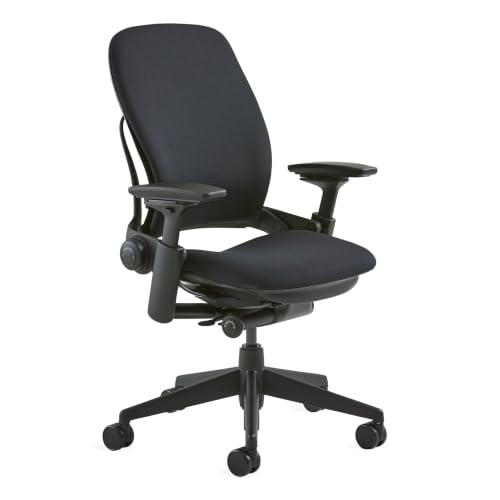
- Steelcase Leap— the mechanism. LiveBack changes the backrest shape as you move; the Natural Glide System slides the seat forward as you recline so your eyes stay near the screen; 4D arms and a height-adjustable lumbar with its own firmness dial; 400 lb and twelve years, 24/7 parts and labor. Buy it if your posture changes all day.
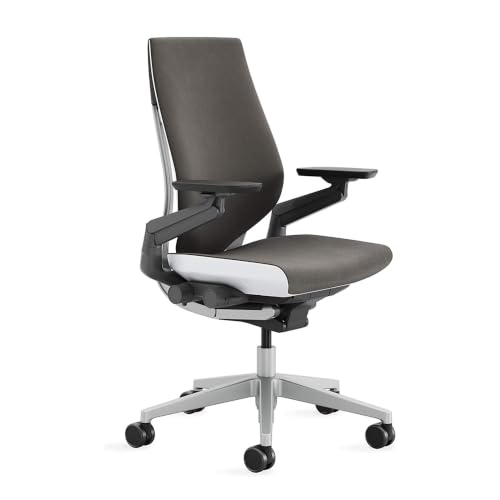
- Steelcase Gesture— the arms. They adjust through a full 360 degrees, which is a genuinely different mechanism from a 4D arm. Buy it only if your complaint is shoulders and wrists across several devices rather than your lower back.
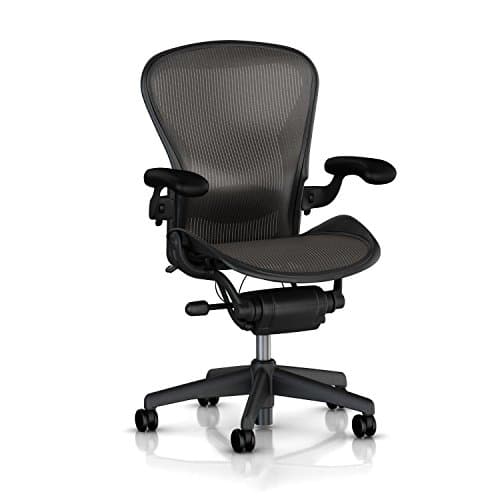
- Herman Miller Aeron (open box, Size B)— the in-brand alternative, and the answer if you sit hot. The same two published documents as the Embody — BIFMA Level 3 and SCS Indoor Advantage Gold — with a suspension seat instead of four padded layers, and three stature sizes instead of one.
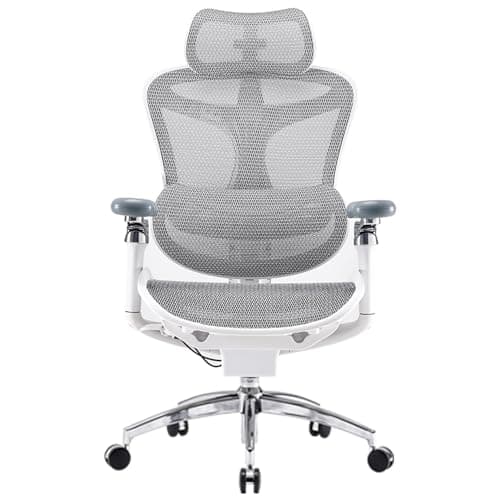
- SIHOO Doro C300 Pro (budget pick)— the cheapest chair here that adjusts seat depth, which is the Embody's own fit variable, plus six armrest axes. Buy it if the budget is an order of magnitude below the Embody and fit still matters.
The honest trade in each one
The Verve has six adjustment points, against fourteen on the Branch Pro.It is a shape you fit into rather than a rig you configure, Amazon's own title says it fits 5 ft to 6 ft, stock was thin at resolve time, and Branch publishes no certificate number behind the GREENGUARD Gold claim — verify it at UL SPOT yourself.
The Leap publishes no seat-height range and no stature guidance.Amazon's detail table gives one seat-height point, not a range, so you cannot size this chair from published data. Steelcase names no emissions certificate in the body of the Leap's own page — it offers an optional CarbonNeutral product certification, which is a carbon claim and not an indoor-air one, and links a Product Environmental Profile published as an image-only PDF. That is the awkward fact of this tier: the cheaper Series 1 prints its emissions certificate in plain text and the Leap does not. The listing is also the carpet-caster build.
The Gesture costs roughly two and a half times the Leap's Amazon price for the same published capacity, the same warranty and the same absence of a named emissions certificate. No lumbar firmness dial is named for it the way one is for the Leap. If your problem is your lower back, this is the wrong chair at the wrong price.
The Aeron listing is an open-box unit from a reseller.Condition, cosmetics and remaining service life are whatever that seller says they are, the twelve-year cover quoted is the seller's, and Herman Miller excludes unauthorized resellers from its own warranty. Sizing also matters: the wrong Aeron size undoes the ergonomics.
The SIHOO is undocumented. SIHOO markets the Doro line as BIFMA- and TUV-certified with no certificate number, no standard number and no registry entry we could find, and publishes nothing on emissions. Its seat-depth adjustment is stated in the retail listing rather than on a maker spec sheet, so confirm it on your variant. If that gap is a problem for you, that is the whole subject of SIHOO alternatives.
What we would actually do
Buy the Verve if the Embody was always going to be out of reach, and buy the Leap if it was not. Those two cover almost everyone who types this query: one answers the price, the other answers the mechanism, and the Leap holds the same 400 lb certificate and twelve-year term as chairs at twice the money.
One case overrides both. If you sit hot, every upholstered chair on this page is the wrong answer and a mesh suspension seat is the right one — mesh office chairs is the ranking and our Aeron review is the chair most people end up with. And whatever you buy at this money, set it up properly before you judge it: a thousand-dollar chair at the wrong height with the screen too low will still hurt, which is what how to adjust your office chair and monitor height are for.
Before you buy
How to replace an Embody without buying the wrong thing
1. Decide whether you want the seat or the back
The Embody sells two ideas: a pressure-spreading seat and a back you set to your curve. Almost no chair does both. Pick the one your body is complaining about and buy for that.
2. Rule out mesh first, or rule it in
If heat is any part of the problem, stop reading upholstered chairs. A suspension seat has no foam to trap heat or flatten, and that single decision eliminates most of this page.
3. Take an adjustable lumbar height over a fixed molded curve
Moving the support to your spine is the cheap version of Backfit and it is the adjustment that most reliably changes how a long day feels.
4. Do not read price as a proxy for documentation
At this tier it is almost inverted: Steelcase prints an emissions certificate in plain text on its cheapest chair's cut sheet and names none in the body of the Leap's or Gesture's pages. Check the document, not the price.
5. Match the casters to your floor, and check who sells the chair
Most premium listings on Amazon are the carpet-caster build, and several are third-party sold by resellers the manufacturer excludes from its warranty. Both are fixable, and both are cheaper to establish before you pay than after.
6. Give it two weeks and adjust it twice
A chair of this class is a rig, not a cushion. Most people set it once, sit badly in it and blame the chair. Set seat height from your elbows, seat depth from your knees, then come back to the lumbar after a week.