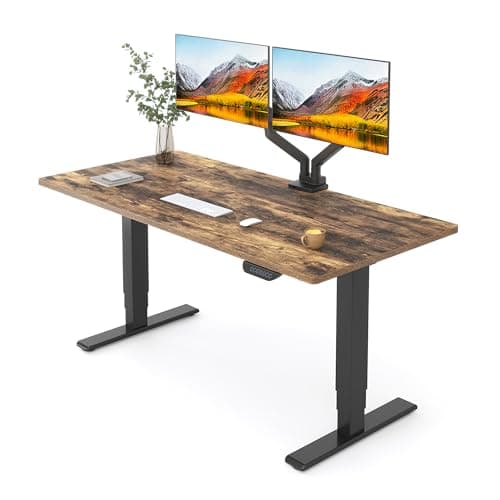
Buy the FlexiSpot E6 MAX. Three-stage legs, dual motors and a 330 lb rating from FlexiSpot mean it stays still at full height with a tower on the floor, two arms clamped to the back edge and your forearms leaning on it during a fight. Nothing on this page has an RGB strip, and that is deliberate — the desks marketed hardest at gamers are the ones that publish least about how they are built.
Why gaming is the case that most needs a sit-stand desk
Work sitting is broken up constantly — meetings, coffee, someone at the door. A gaming session is not. It is two to six hours in one position, at high engagement, with a forward head posture and shoulders rolled in over a keyboard. In dose terms it is the heaviest static loading most people give their spine all week, and the CDC's activity guidance and the Cleveland Clinic's summary of what standing does and does not do both point the same way: the problem is the duration of a single position, not sitting itself.
That is also why a standing desk works better here than the marketing suggests. Nobody plays a shooter standing up for six hours. What a sit-stand desk buys you is the ability to change position at a natural break — end of a match, between raids — which is exactly the pattern the evidence supports. Our how long to stand guide has the ratios; the short version is that alternating beats either extreme.
The three specs that actually matter for a gaming setup
- Rated load, because of the tower. A full-tower PC is 30 to 50 lb, and a lot of people want it on the desk rather than the floor. Add two monitors on arms, a mechanical keyboard and a headset stand and you are into weight that a single-motor budget frame genuinely notices. Frames rated 300 lb and up are not for the weight; they are for the stillness.
- Three-stage legs, because of the height. Gaming chairs sit high, and gamers are disproportionately tall. Two-stage legs top out around 47 inches and get shakier as they approach it. Three-stage legs reach higher and, more importantly, sit at your working height with less leg extended. Run your number through the height calculator before you shop.
- Depth, because of the monitors. Two 27-inch screens need to sit far enough back that you are not craning between them. On a 24-inch-deep desk, arms mounted to the back edge put screens too close. Twenty-eight to thirty inches of depth is the difference between a neck that hurts after three hours and one that does not.
What a "gaming desk" usually is
The gaming furniture market runs on aesthetic: a black laminate top with a printed carbon-fiber texture, a headset hook, a cup holder and an RGB strip glued to the underside. None of that changes the two things a desk does — hold weight without moving and put your hands at elbow height. Meanwhile the material question is worse, not better, in this corner of the market: gaming desks are overwhelmingly laminate over particleboard from brands that publish no certification of any kind, and a large black desktop is the same composite panel a home-office desk is, with a different print on it.
That is not a reason to panic. Composite wood sold in the US has to meet the federal formaldehyde limits under TSCA Title VI, so there is a legal floor. But there is a real difference between a legal floor and a low-emission certificate, and none of the desks on this page carry the latter — we say so on each pick rather than letting the frame quality imply material quality. If a certificate is your hard requirement, the honest answer is a bare frame with a solid top, or the short list at GREENGUARD-certified desks. Either way, give a new desk its ventilated first 72 hours.
Corner or straight?
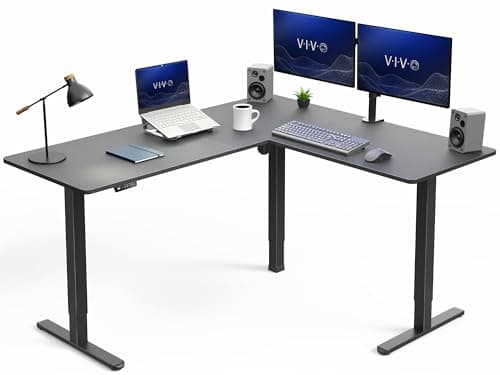
A lot of gaming setups are corner setups, and the L-shape is genuinely useful when a PC, a console and a second screen all need somewhere to live. The trade is stability: an L-shaped sit-stand desk with two legs is a diving board at the corner, which is where people put the heaviest monitor. The VIVO 63×55 in Corner Standing Desk (DESK-E3CTB) has three legs, which is the whole reason it is ranked above the cheaper SHW 55-Inch Electric L-Shaped Standing Desk here. The full comparison is at best L-shaped standing desks.
The parts of the setup a desk does not fix
Raising the desk fixes your hands. It does nothing for your screen height, and a monitor an inch too low is a neck problem at hour three — put the screens on dual monitor arms and set the tops at or just below eye level. Standing for long stretches on a hard floor is its own problem, which is what an anti-fatigue mat is for. And the chair is still doing most of the work: a gaming chair with a fixed bucket shape and no lumbar adjustment is a worse seat than a plain office chair, which is the argument in our seating picks and, at full length, in gaming chair vs office chair.
How to buy a standing desk for a gaming setup
1. Weigh what is actually going on the desk
Tower, two monitors, arms, keyboard, speakers, headset stand. Add it up honestly, then buy a frame rated at least three times that. The margin is what stops the desk moving when you lean on it, and leaning is what gamers do.
2. Buy width before you buy features
Two 27-inch monitors side by side need roughly 48 inches of width before you add anything else, and the second the desk is full you will wish you had bought the 60. Width is the upgrade people regret not buying; a cup holder is not.
3. Mount the screens, do not stack them on boxes
Monitor arms free up the entire back third of the desk, let you set exact height, and stop the screens moving when the desk does. Check the VESA pattern on the back of your monitors first — 75×75 and 100×100 are standard, and gaming monitors with curved backs sometimes need the adapter the manufacturer sells.
4. Set presets and use them
A desk you have to hold a button to move is a desk that stays at one height. Memory presets are the feature that decides whether you ever actually stand — one preset for sitting, one for standing, and a rule like "change at the end of every match".
5. Deal with the cables before you raise it
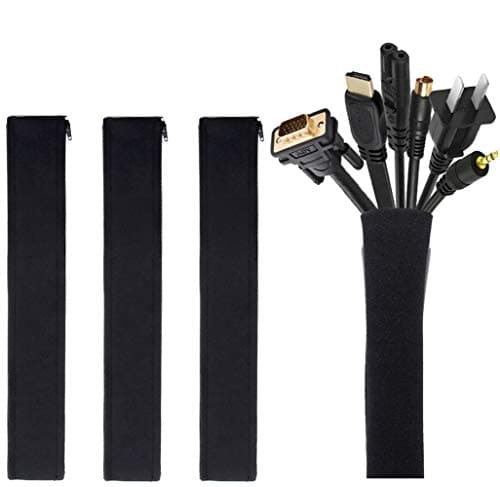
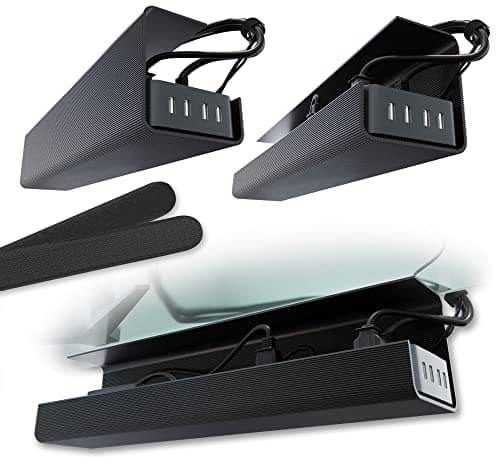
A sit-stand desk with a tower on the floor will pull a power cable taut at full height, and that is how a desk yanks a plug out mid-game. Give every cable eight inches of slack, run them through a tray, and test at the highest preset before you trust it. Our cable management picks cover the parts.